LOST IN 84’
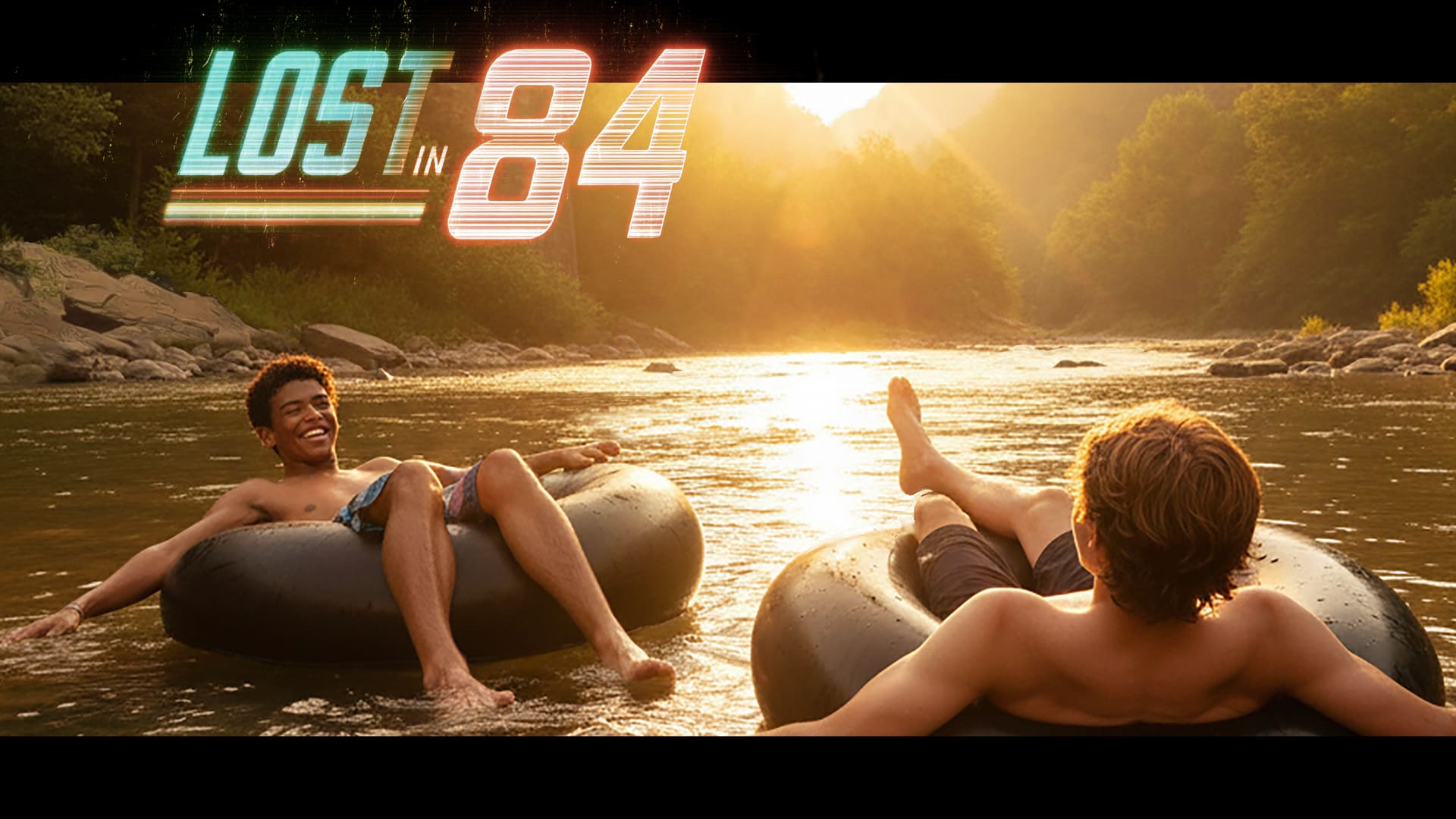
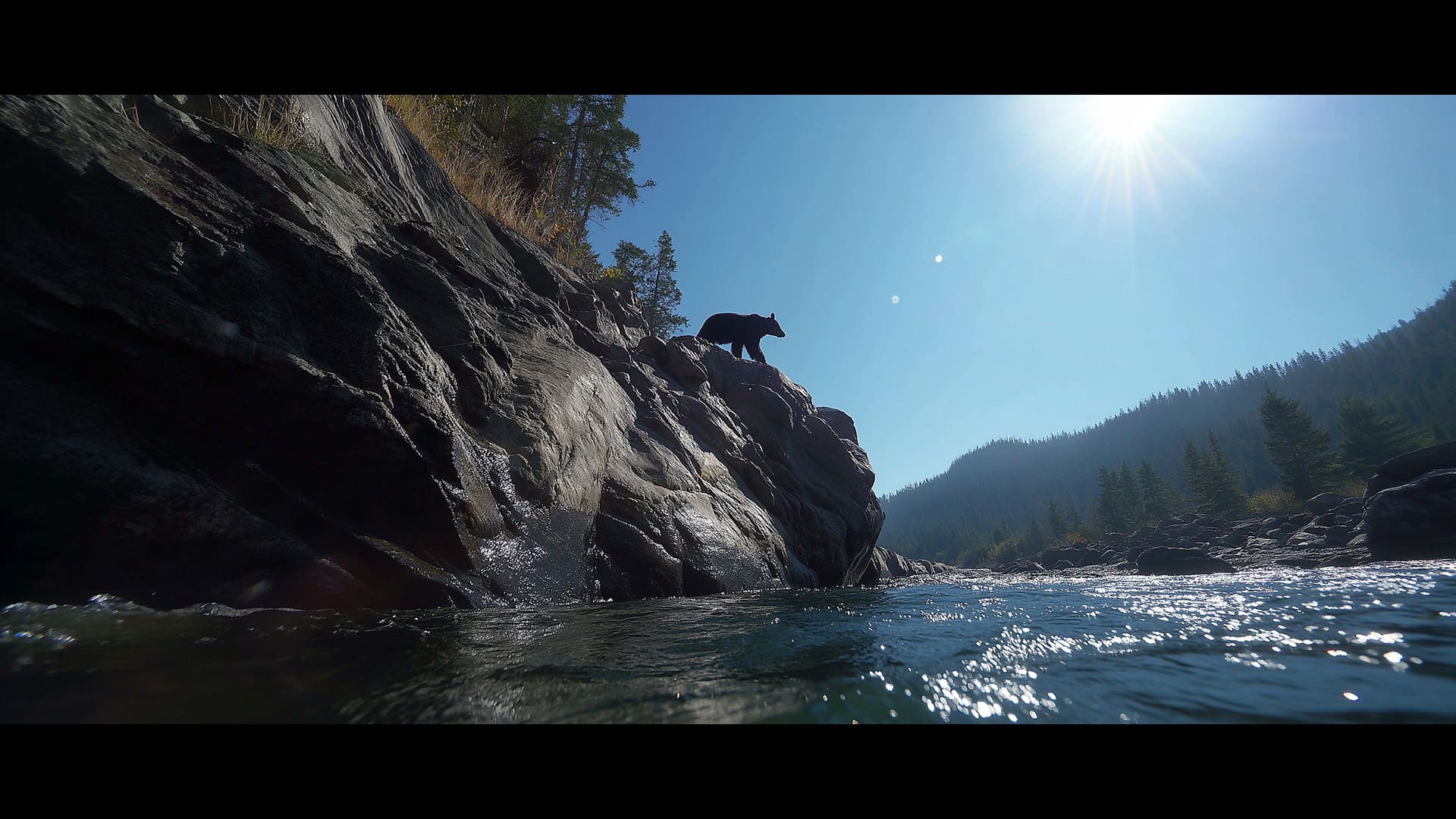
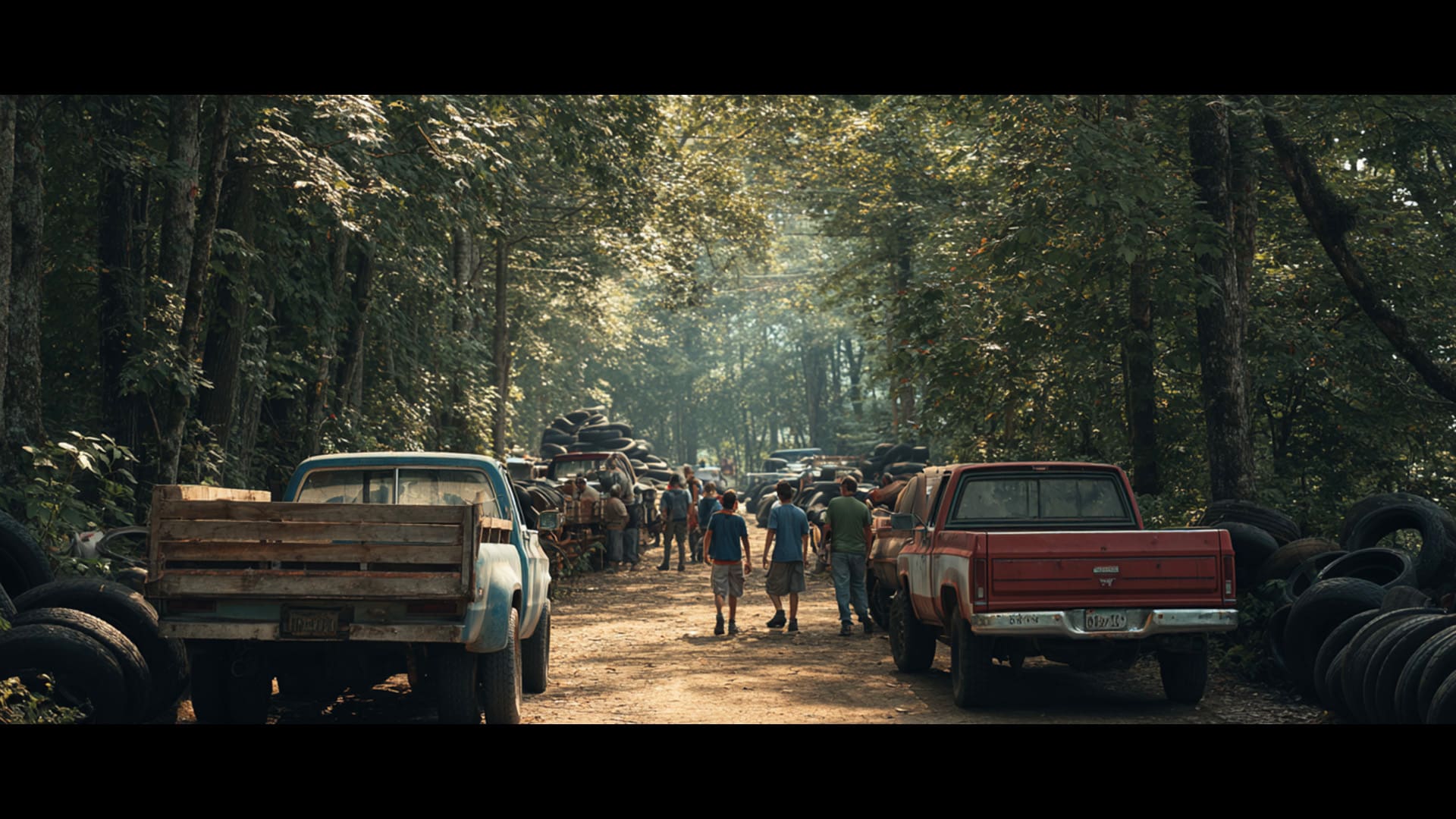
Two teenage city boys from Washington D.C. set out for a carefree tubing trip deep into the Shenandoah Valley of West Virginia—only to be swept into a hilarious spiral of wrong turns, sketchy locals, and a descent into the wild that turns their getaway into a darkly comedic coming of age tale
Synopsis
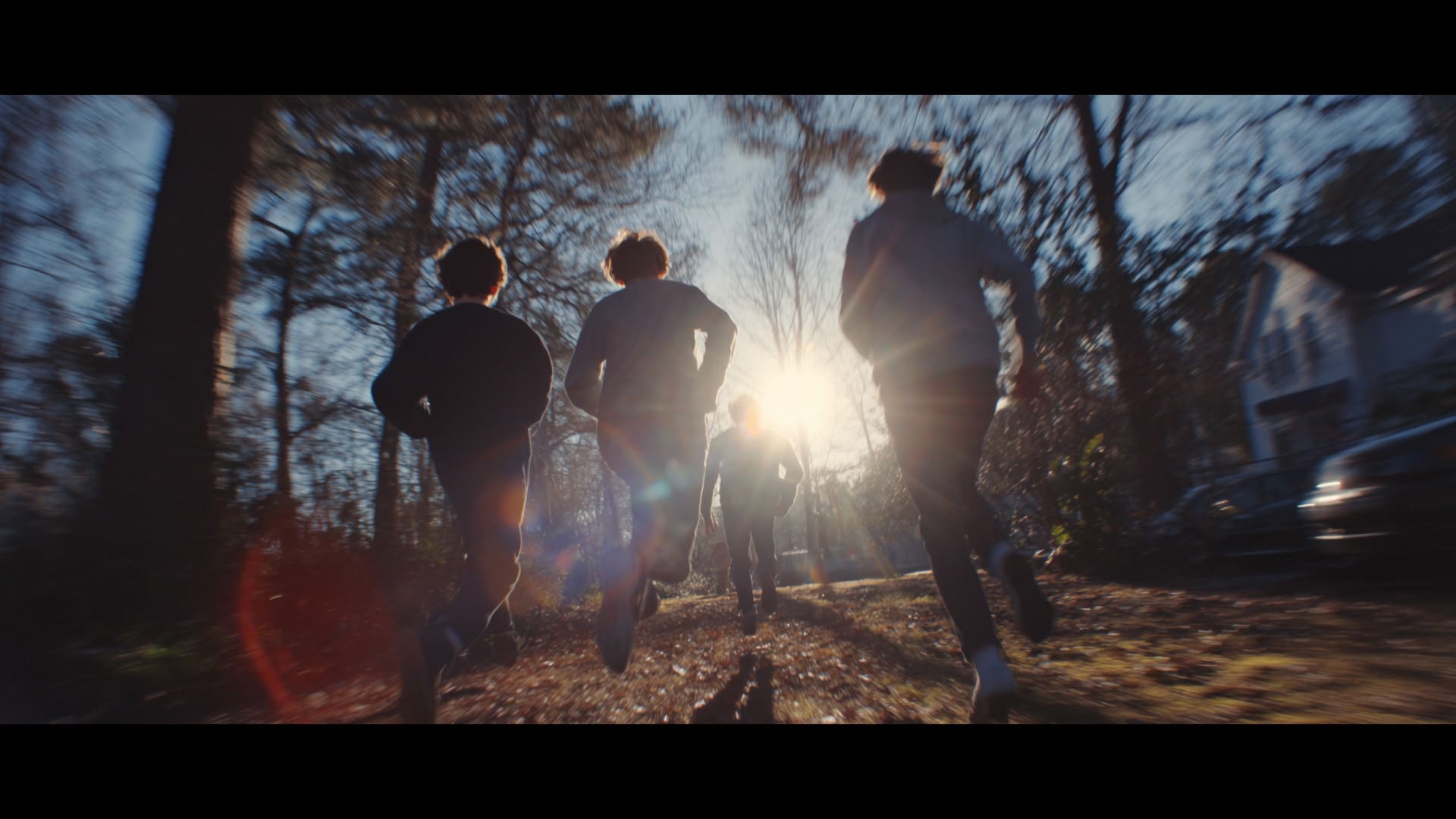
Best friends Sean and Andre, two street-smart teens from Washington, D.C., are desperate for a break from the chaos of city life. One quietly wrestling with self-doubt, the other masking uncertainty with bravado, they head into the heart of West Virginia armed with zero wilderness experience and way too much confidence—for what’s supposed to be a chill day floating downriver on rented inner tubes.
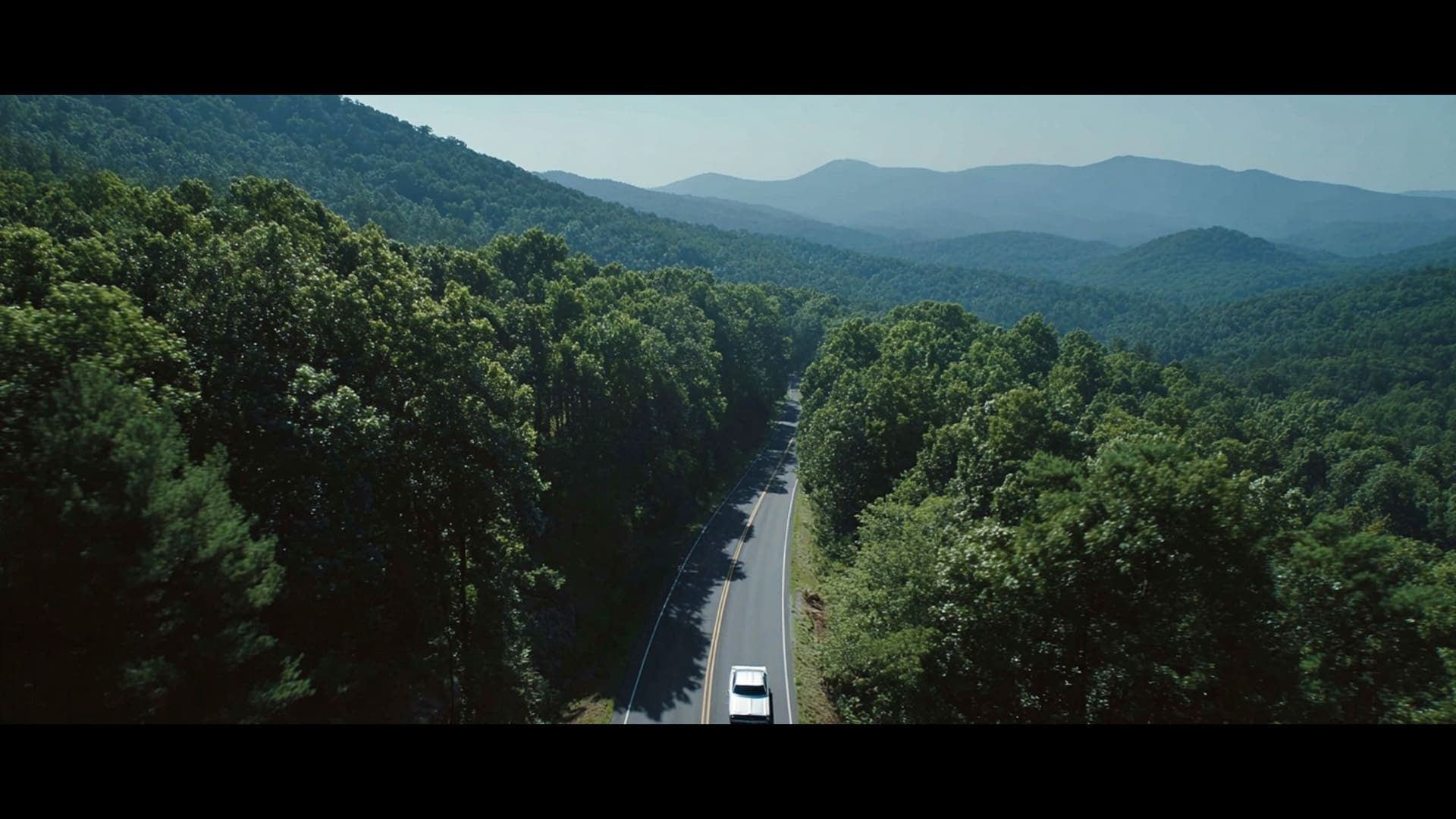
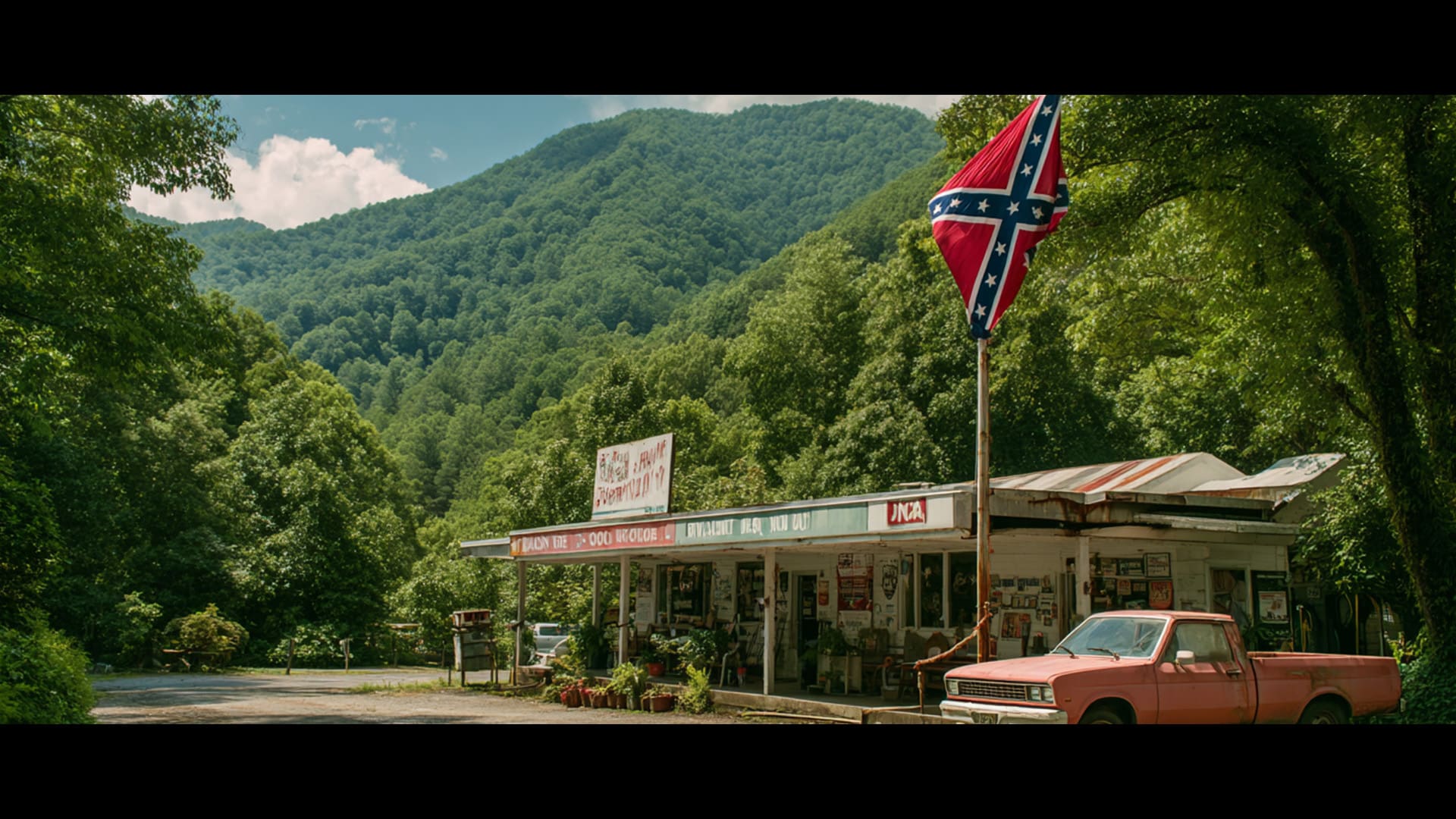
Instead, the day careens beyond anything they could have imagined—from ominous run-ins with questionable locals to a series of unexpected physical and psychological trials. Their plans unravel fast when a single wrong turn lands them deep in unfamiliar territory. With no means of communication and no supplies, the adventure takes a dark and absurd turn.
Paranoia sets in—partly because Sean can’t stop joking about Deliverance, daydreaming out loud about the many odd and unfortunate ways they could meet their untimely end, and partly because they begin to suspect something in the woods is stalking them. Unsettling noises echo from the trees. Snapping branches betray movement in the dark. The kids are alone now —and being watched.
What started as a harmless escape spirals into a surreal, tragicomic odyssey through fear, friendship, and the wild reality of getting way too close to nature. As the wilderness strips them of their familiar roles, Sean discovers confidence while Andre learns humility, and their friendship is reshaped by a cautionary coming-of-age odyssey through the wilds of West Virginia.
Director Statement
The film’s core message:
The friends we had in early childhood, and the adventures we shared, often stay with us for life — even when our time together was brief.
This film is not about nostalgia, and it’s not about resolution. It was made to hold a feeling. This film is a message in a bottle. If someone watches it years from now and thinks:
“I haven’t thought about him in 40 years… That time mattered.”
Then the bottle reached shore, and it will have done exactly what it was made to do.
The film industry of 2026 bears little resemblance to the one I grew up with in the 1970s and 1980s.
That earlier era felt unconstrained in ways that are difficult to articulate now — not because money didn’t matter, but because it didn’t dictate meaning. Films were allowed to be personal, idiosyncratic, unresolved. They explored interior lives, fleeting relationships, moral uncertainty, and emotional truth without needing to justify themselves. Those films shaped how many of us understood the world, and in other ways, how we understood ourselves.
Today, filmmaking exists inside a very different economic reality. The shift from theatrical to streaming has fundamentally altered what kinds of stories are considered viable. A very narrow risk tolerance. Personal expression has been replaced by repeatable formulas. Not because audiences lack curiosity or depth, but because the current business model requires films to function first as content — predictable, marketable with immediate comprehension.
This film is not a critique of that system. It doesn’t ask for debate, validation, or recognition. It is made in the spirit of the films that once trusted audiences to bring their own lives into the viewing experience — films that did not announce their importance, resolve their meaning, or compete for attention.
I made this film because it reflects what I still want as an audience member, and what I still need filmmaking to be as an artist: a space for honest reflection, and raw expression. Not as nostalgia, possibly as therapy, but certainly as continuity. So others can know who we were and what we are.
More than anything else, I made this film because it is meaningful to me. The experience with this childhood friend has stayed with me throughout my life, and I wanted to feel it again, if only briefly. And If the film resonates with others as well, it will have been more than worth it.
Ari Rubenstein
LOST IN 84’
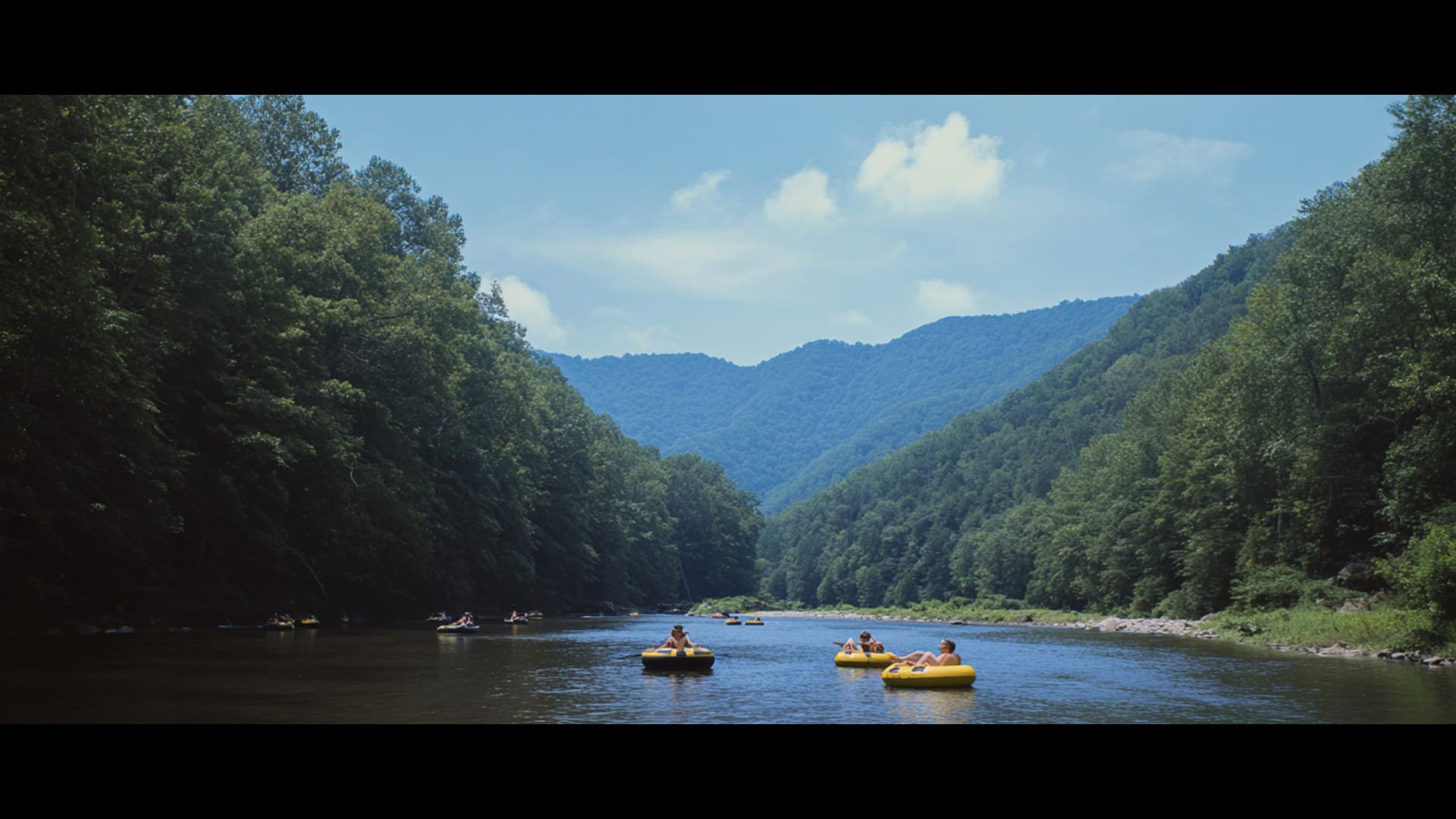
Two teenage city boys from Washington D.C. set out for a carefree tubing trip deep into the Shenandoah Valley of West Virginia—only to be swept into a hilarious spiral of wrong turns, sketchy locals, and a descent into the wild that turns their getaway into a darkly comedic coming of age tale
Synopsis
Best friends Sean and Andre, two street-smart teens from Washington, D.C., are desperate for a break from the chaos of city life. One quietly wrestling with self-doubt, the other masking uncertainty with bravado, they head into the heart of West Virginia armed with zero wilderness experience and way too much confidence—for what’s supposed to be a chill day floating downriver on rented inner tubes.
Instead, the day careens beyond anything they could have imagined—from ominous run-ins with questionable locals to a series of unexpected physical and psychological trials. Their plans unravel fast when a single wrong turn lands them deep in unfamiliar territory. With no means of communication and no supplies, the adventure takes a dark and absurd turn.
Paranoia sets in—partly because Sean can’t stop joking about Deliverance, daydreaming out loud about the many odd and unfortunate ways they could meet their untimely end, and partly because they begin to suspect something in the woods is stalking them. Unsettling noises echo from the trees. Snapping branches betray movement in the dark. The kids are alone now —and being watched.
What started as a harmless escape spirals into a surreal, tragicomic odyssey through fear, friendship, and the wild reality of getting way too close to nature. As the wilderness strips them of their familiar roles, Sean discovers confidence while Andre learns humility, and their friendship is reshaped by a cautionary coming-of-age odyssey through the wilds of West Virginia.
Director Statement
The film’s core message:
The friends we had in early childhood, and the adventures we shared, often stay with us for life — even when our time together was brief.
This film is not about nostalgia, and it’s not about resolution. It was made to hold a feeling. This film is a message in a bottle. If someone watches it years from now and thinks:
“I haven’t thought about him in 40 years… That time mattered.”
Then the bottle reached shore, and it will have done exactly what it was made to do.
The film industry of 2026 bears little resemblance to the one I grew up with in the 1970s and 1980s.
That earlier era felt unconstrained in ways that are difficult to articulate now — not because money didn’t matter, but because it didn’t dictate meaning. Films were allowed to be personal, idiosyncratic, unresolved. They explored interior lives, fleeting relationships, moral uncertainty, and emotional truth without needing to justify themselves. Those films shaped how many of us understood the world, and in other ways, how we understood ourselves.
Today, filmmaking exists inside a very different economic reality. The shift from theatrical to streaming has fundamentally altered what kinds of stories are considered viable. A very narrow risk tolerance. Personal expression has been replaced by repeatable formulas. Not because audiences lack curiosity or depth, but because the current business model requires films to function first as content — predictable, marketable with immediate comprehension.
This film is not a critique of that system. It doesn’t ask for debate, validation, or recognition. It is made in the spirit of the films that once trusted audiences to bring their own lives into the viewing experience — films that did not announce their importance, resolve their meaning, or compete for attention.
I made this film because it reflects what I still want as an audience member, and what I still need filmmaking to be as an artist: a space for honest reflection, and raw expression. Not as nostalgia, possibly as therapy, but certainly as continuity. So others can know who we were and what we are.
More than anything else, I made this film because it is meaningful to me. The experience with this childhood friend has stayed with me throughout my life, and I wanted to feel it again, if only briefly. And If the film resonates with others as well, it will have been more than worth it.
Ari Rubenstein