
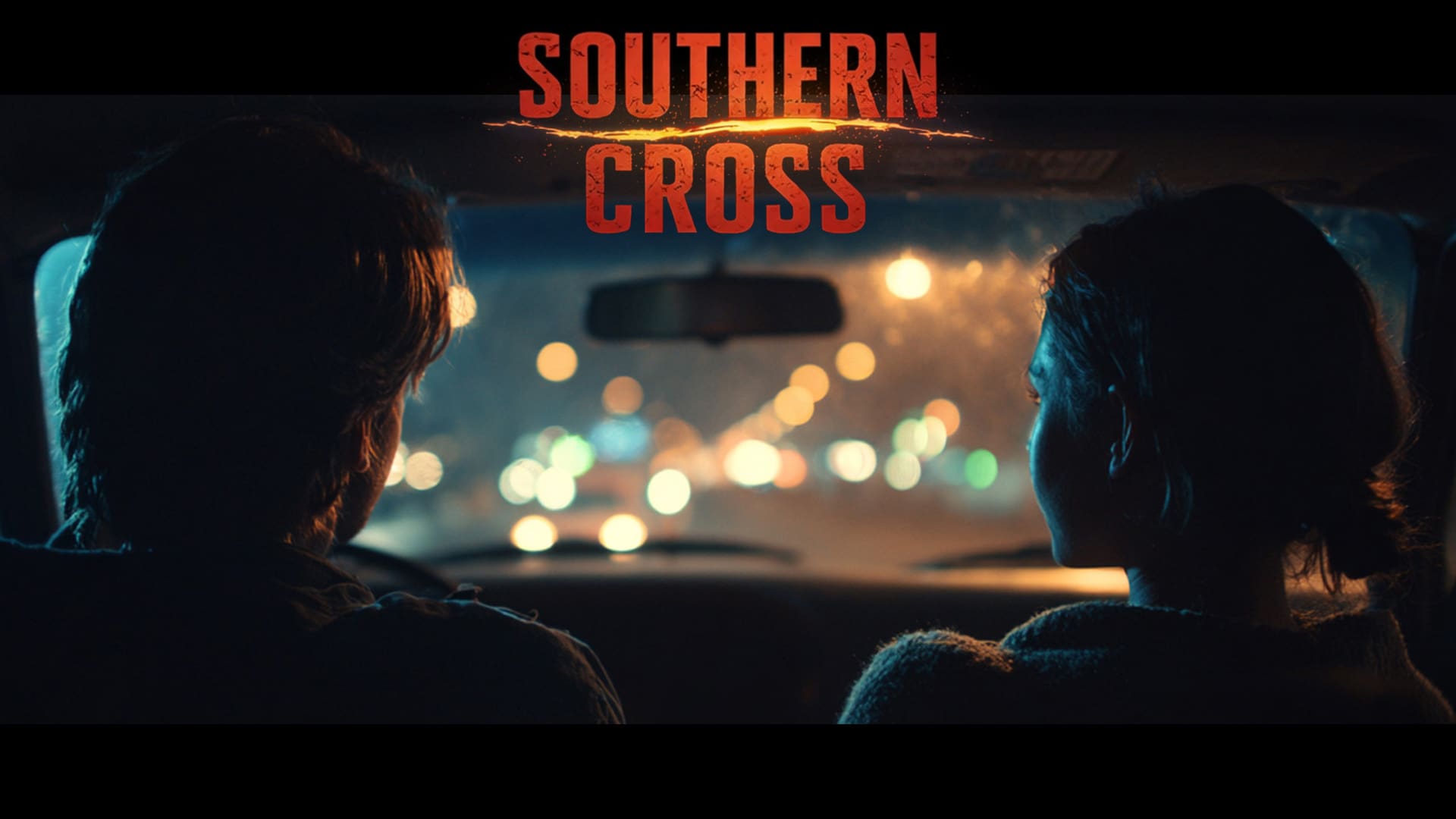
SOUTHERN CROSS
On the run across the Southwest, a wary teenage girl and her reckless partner are drawn into a scientist’s race against time when an illegal fracking operation awakens ancient creatures— forcing them to risk everything as the danger they’re fleeing becomes far less than the one they face.
Synopsis
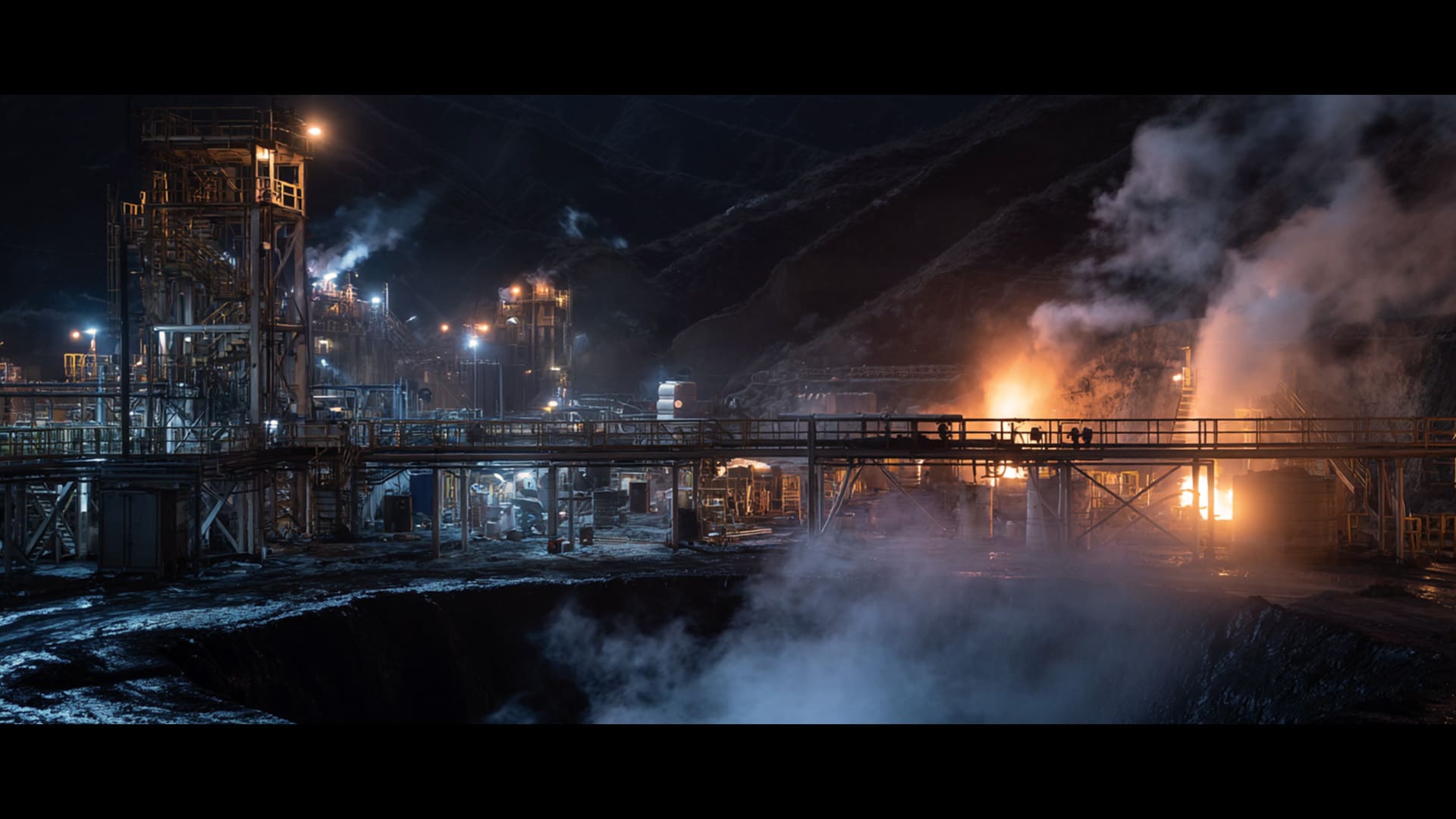
In the present-day American Southwest, an energy company pushes an experimental fracking operation far beyond approved limits, drilling into deep geological strata beneath the desert. At a remote site in the region, geobiologist Dr. Maya Cortez detects biological activity where none should exist. Within hours, the ground ruptures, the site is abandoned, and something ancient begins migrating upward—drawn not to people, but to power.
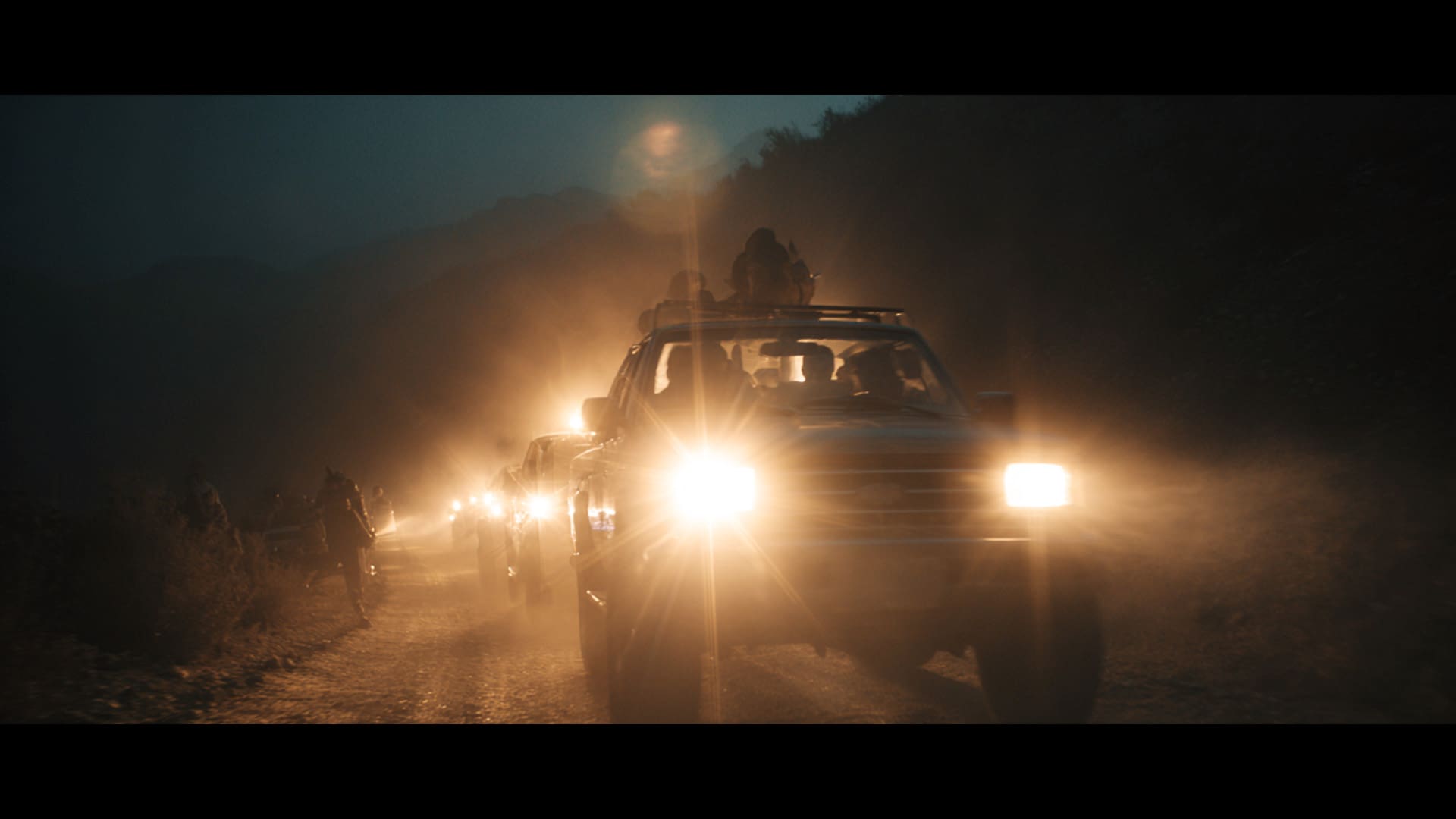
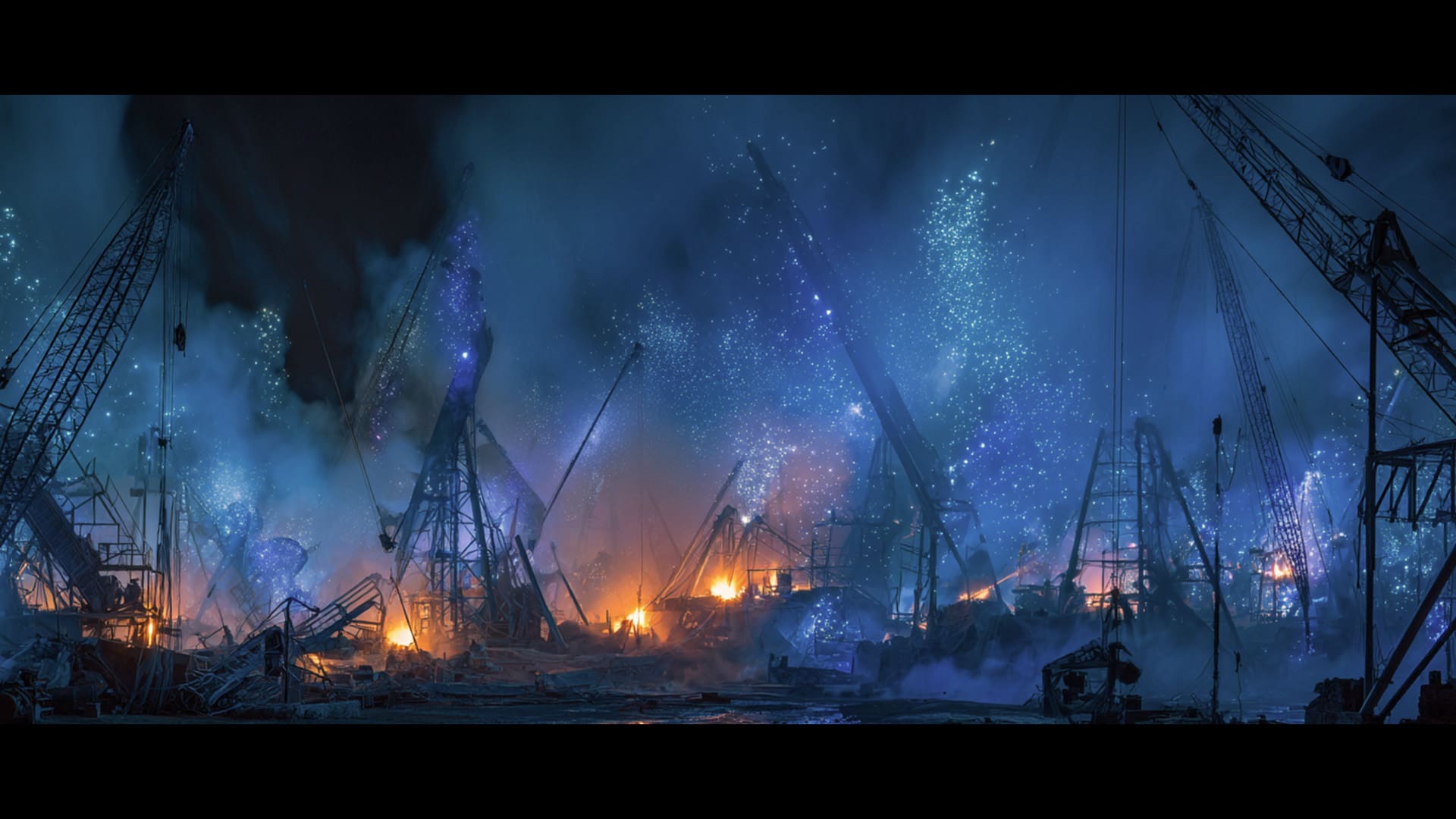
Elsewhere, Diane, a guarded teenage runaway, and Jack, her reckless older partner, flee after a drug deal turns violent in Tucson. With cartel enforcers close behind, they cut north through empty highways and industrial backroads, aiming far north for the isolation of Utah’s national parks, where they believe they can disappear. Along the way, they stumble onto the ruins of a fracking site frozen mid-collapse—and come face-to-face with a bioluminescent organism feeding on engines, electricity, and heat. They barely escape. When their pursuers arrive hours later, most are slaughtered, confirming the threat is spreading and adapting.
As power grids flicker and towns across the Southwest go dark, Cortez uncovers the truth energy companies are desperate to bury: the creatures—later dubbed Substratans—feed on hydrocarbons and electrical systems, turning modern infrastructure into a migration network. Every attempt at containment only accelerates their movement toward populated areas.
Exhausted and wounded, Jack and Diane collapse at a deserted gas station near Mexican Hat, Utah where Cortez brings them to a covert research camp. There, an accidental observation leads the teens to a possible weakness in the creatures’ biology—an idea as dangerous as it is hopeful. With authorities days away and the swarm still moving north, the three face a choice: keep running into the wilderness, or act on a solution that could stop what’s coming—or unleash something even worse.
The desert hums. The lights flicker. And beneath the ground, something vast is listening, active, and on the move.
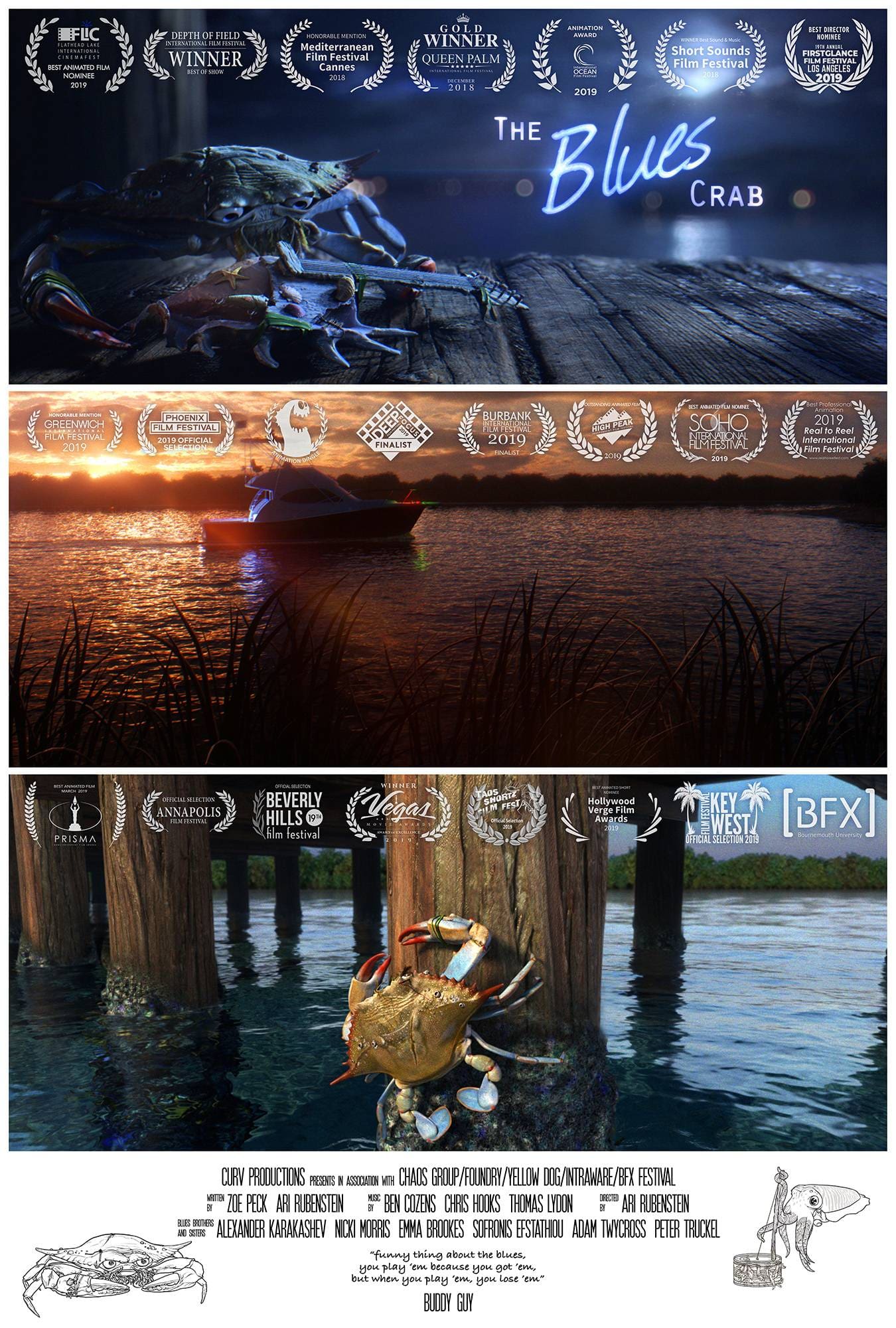
Director Statement
I had a troubled childhood. I was angry, lost, and unable to find my way. I grew up just outside Washington, D.C., in the ’70s and ’80s—a place that could be violent and unforgiving for kids like me. I failed in school, pushed against authority, and was always looking for an escape. Eventually, I found one: I got in a car and drove west, chasing the horizon the way so many Americans have before me.
After a string of dead-end jobs, I landed in Tucson, Arizona. There, I fell in with the wrong crowd. One hustle led to the next. Every choice felt like survival, and every mistake compounded the last. We romanticized ourselves as pioneers, modern-day frontiersmen cutting ties with the past and starting over in the wide-open West. But what we were really doing was running, from shame, from fear, from the wreckage we’d left behind.
Southern Cross begins there.
Jack and Diane carry that same restless mythology. They believe the road north will deliver reinvention. But their flight across the Southwest collides with something awakened beneath the desert—an ancient force drawn not to people, but to power. That idea is central to me. We chase energy, expansion, momentum, personally and industrially, without asking what lies beneath. The creatures in this story don’t hunt. They respond. They migrate along the systems, the power grids, we’ve built, turning our hunger into their highway.
In many ways, Jack and Diane are doing the same. They move along highways, gas stations, structures built by others, feeding off what they can, surviving day to day. They drift through the infrastructure of a world they never built, mistaking motion for purpose. Like parasites in a larger organism, they are carried forward by systems of extraction and escape.
Sailors in the southern hemisphere once navigated by the constellation known as the Southern Cross. When the horizon disappeared and the ocean turned black, those four stars offered a fixed point, certainty when everything familiar had vanished.
This film is about that moment when the lights flicker and the ground shifts beneath you, personally, morally, and literally. It is about realizing you’ve been drifting along currents you didn’t create. And it is about the choice to stop running long enough to look up, find your bearings, and change course.
Southern Cross is about holding on to that thread when everything else feels lost, trusting it will guide you back home.
Ari Rubenstein

SOUTHERN CROSS
On the run across the Southwest, a wary teenage girl and her reckless partner are drawn into a scientist’s race against time when an illegal fracking operation awakens ancient creatures— forcing them to risk everything as the danger they’re fleeing becomes far less than the one they face.
Synopsis
In the present-day American Southwest, an energy company pushes an experimental fracking operation far beyond approved limits, drilling into deep geological strata beneath the desert. At a remote site in the region, geobiologist Dr. Maya Cortez detects biological activity where none should exist. Within hours, the ground ruptures, the site is abandoned, and something ancient begins migrating upward—drawn not to people, but to power.
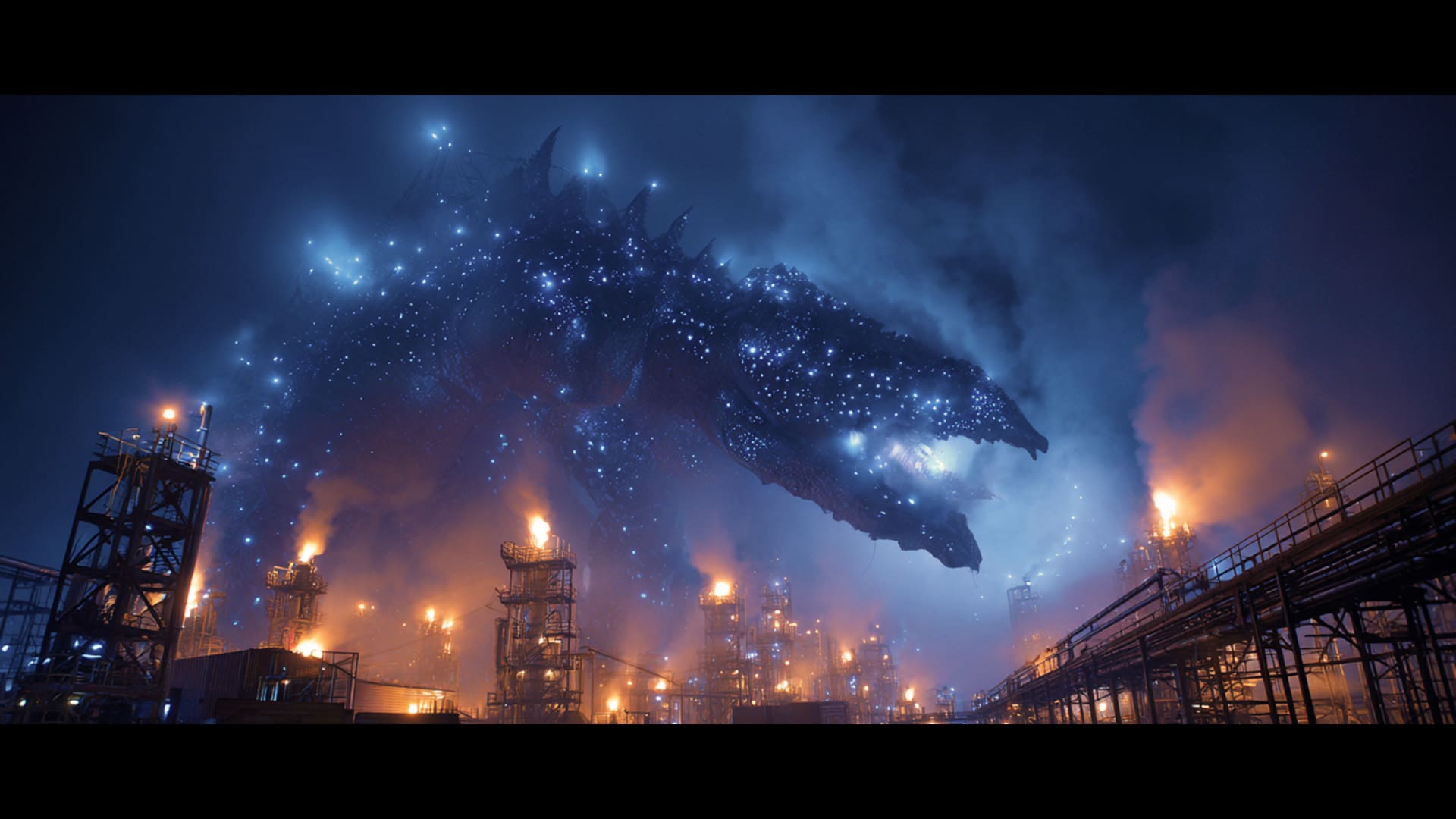
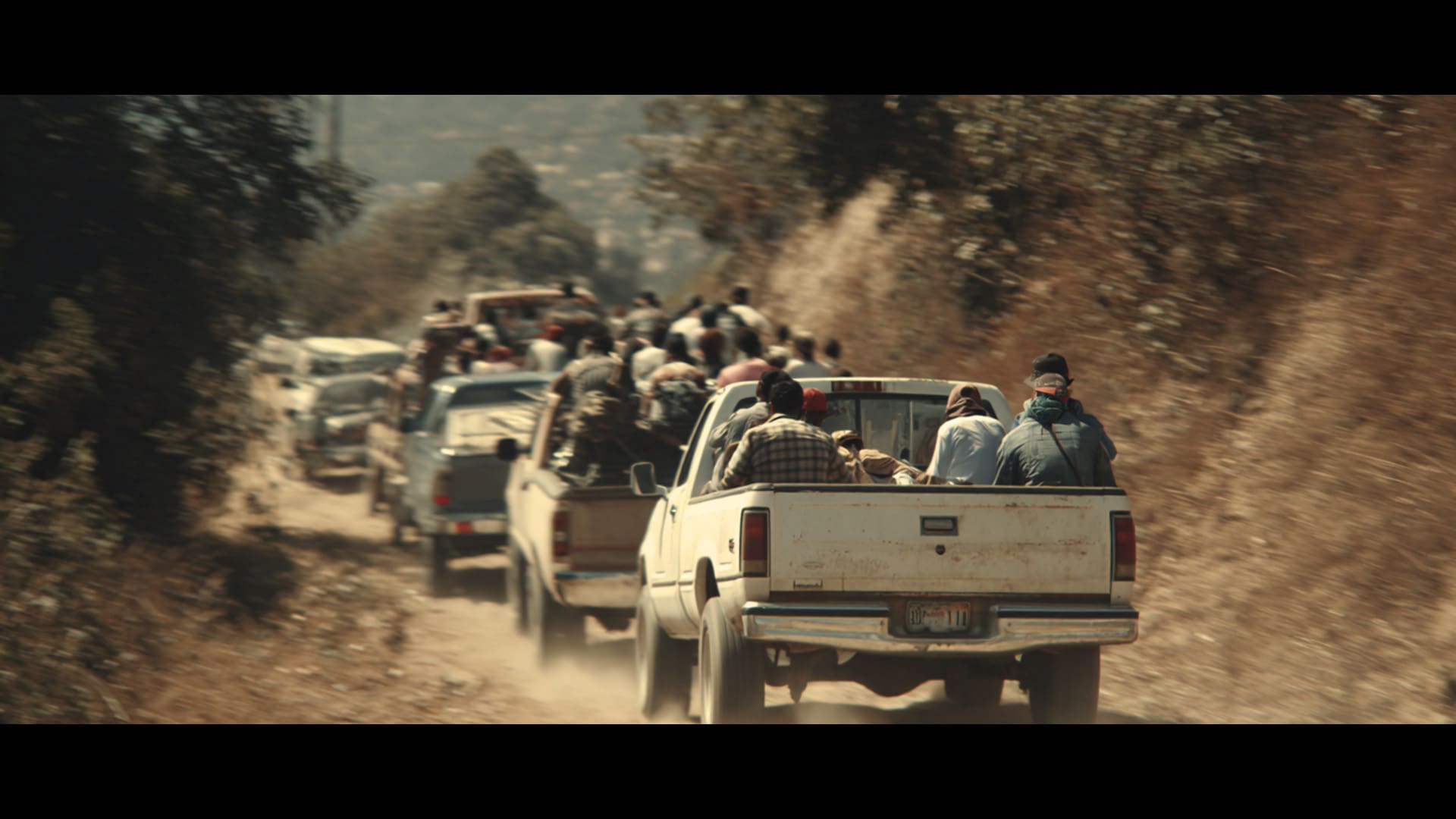
Elsewhere, Diane, a guarded teenage runaway, and Jack, her reckless older partner, flee after a drug deal turns violent in Tucson. With cartel enforcers close behind, they cut north through empty highways and industrial backroads, aiming far north for the isolation of Utah’s national parks, where they believe they can disappear. Along the way, they stumble onto the ruins of a fracking site frozen mid-collapse—and come face-to-face with a bioluminescent organism feeding on engines, electricity, and heat. They barely escape. When their pursuers arrive hours later, most are slaughtered, confirming the threat is spreading and adapting.
As power grids flicker and towns across the Southwest go dark, Cortez uncovers the truth energy companies are desperate to bury: the creatures—later dubbed Substratans—feed on hydrocarbons and electrical systems, turning modern infrastructure into a migration network. Every attempt at containment only accelerates their movement toward populated areas.
Exhausted and wounded, Jack and Diane collapse at a deserted gas station near Mexican Hat, Utah where Cortez brings them to a covert research camp. There, an accidental observation leads the teens to a possible weakness in the creatures’ biology—an idea as dangerous as it is hopeful. With authorities days away and the swarm still moving north, the three face a choice: keep running into the wilderness, or act on a solution that could stop what’s coming—or unleash something even worse.
The desert hums. The lights flicker. And beneath the ground, something vast is listening, active, and on the move.
Director Statement
I had a troubled childhood. I was angry, lost, and unable to find my way. I grew up just outside Washington, D.C., in the ’70s and ’80s—a place that could be violent and unforgiving for kids like me. I failed in school, pushed against authority, and was always looking for an escape. Eventually, I found one: I got in a car and drove west, chasing the horizon the way so many Americans have before me.
After a string of dead-end jobs, I landed in Tucson, Arizona. There, I fell in with the wrong crowd. One hustle led to the next. Every choice felt like survival, and every mistake compounded the last. We romanticized ourselves as pioneers, modern-day frontiersmen cutting ties with the past and starting over in the wide-open West. But what we were really doing was running, from shame, from fear, from the wreckage we’d left behind.
Southern Cross begins there.
Jack and Diane carry that same restless mythology. They believe the road north will deliver reinvention. But their flight across the Southwest collides with something awakened beneath the desert—an ancient force drawn not to people, but to power. That idea is central to me. We chase energy, expansion, momentum, personally and industrially, without asking what lies beneath. The creatures in this story don’t hunt. They respond. They migrate along the systems, the power grids, we’ve built, turning our hunger into their highway.
In many ways, Jack and Diane are doing the same. They move along highways, gas stations, structures built by others, feeding off what they can, surviving day to day. They drift through the infrastructure of a world they never built, mistaking motion for purpose. Like parasites in a larger organism, they are carried forward by systems of extraction and escape.
Sailors in the southern hemisphere once navigated by the constellation known as the Southern Cross. When the horizon disappeared and the ocean turned black, those four stars offered a fixed point, certainty when everything familiar had vanished.
This film is about that moment when the lights flicker and the ground shifts beneath you, personally, morally, and literally. It is about realizing you’ve been drifting along currents you didn’t create. And it is about the choice to stop running long enough to look up, find your bearings, and change course.
Southern Cross is about holding on to that thread when everything else feels lost, trusting it will guide you back home.
Ari Rubenstein